“`html
Aligning NGO Activities with Global Development Goals
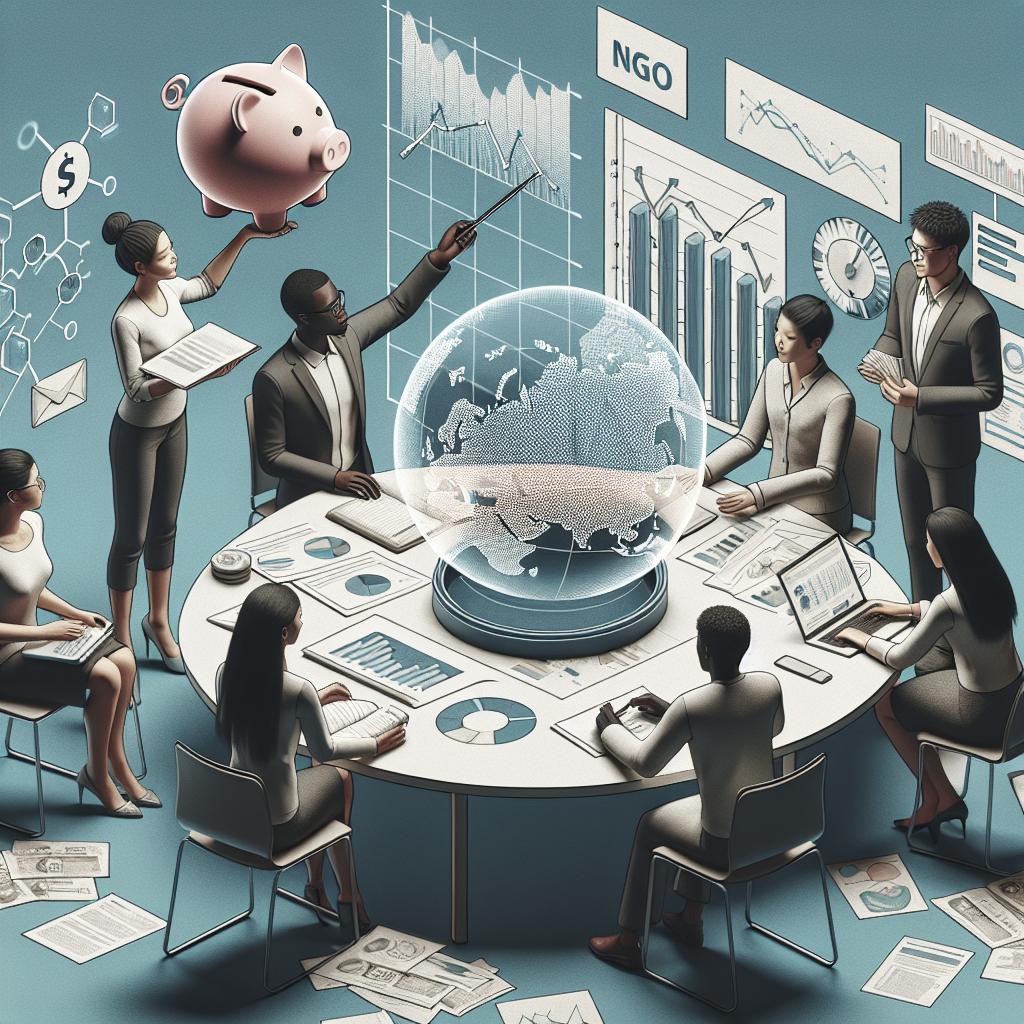
As the world strives towards a more sustainable future, aligning NGO activities with global development goals, particularly the U.N. Sustainable Development Goals (SDGs), has never been more critical. NGOs play a pivotal role, complementing the efforts of companies, the government, and B Corps in driving positive change. This blog explores the intersection of various sectors with the SDGs, offering insights into how diverse entities can synergize their objectives with these global targets. We will dive into case studies like Mightybytes and analyze areas such as wages, energy, diversity in leadership, and the importance of measuring progress. As we approach 2030, it is imperative for organizations to integrate these goals into their core strategies, moving beyond conventional practices towards a future that champions sustainability and equitable growth.
U.N. Sustainable Development Goals
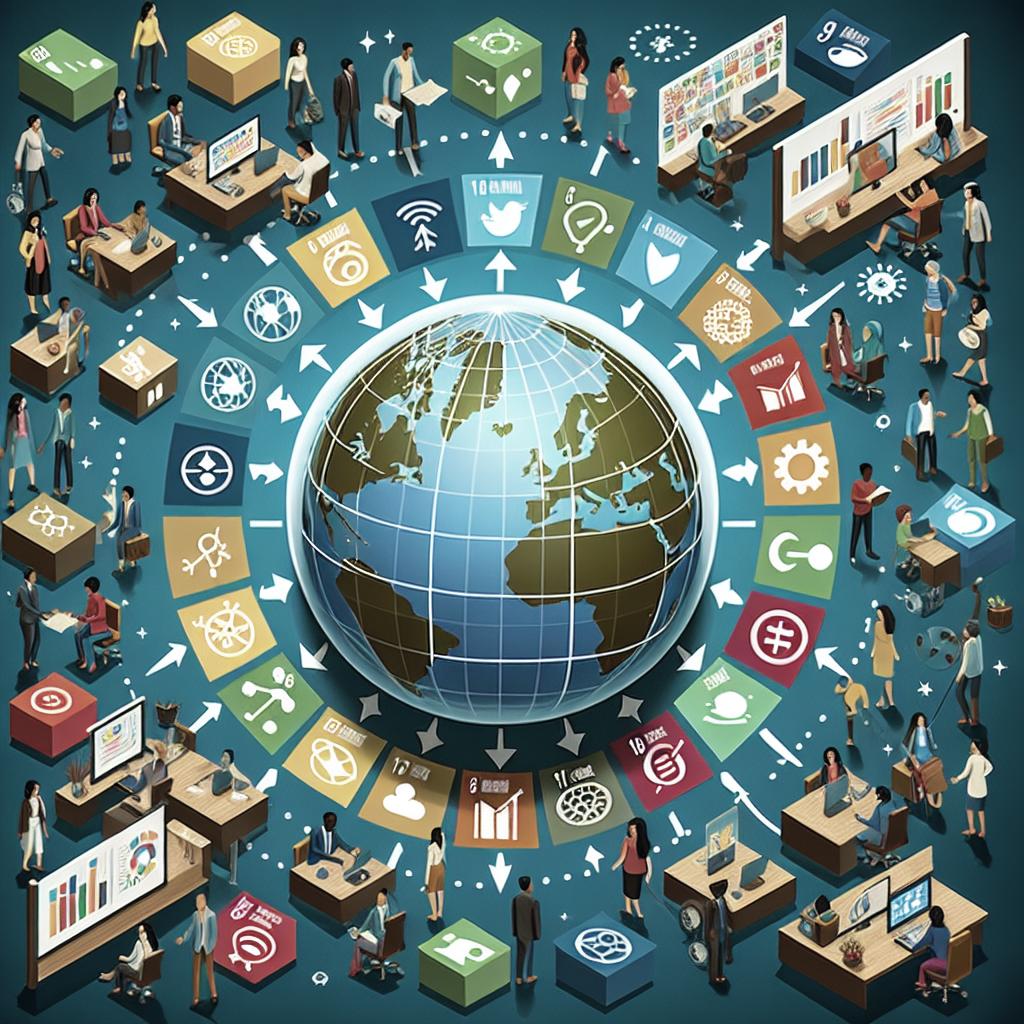
The U.N. Sustainable Development Goals (SDGs) serve as a universal call to action to end poverty, protect the planet, and ensure prosperity for all by 2030. These 17 goals set the agenda for global development, encouraging various stakeholders, including governments, businesses, and non-governmental organizations (NGOs), to align their strategies for better outcomes.
NGOs, given their grassroots connections and expertise in local interventions, are vital in achieving these goals. By aligning their activities with the SDGs, NGOs can enhance their impact, scale their operations, and contribute to a global movement towards sustainable development. This alignment requires a strategic approach where NGOs identify specific goals closely related to their mission and leverage partnerships for greater effectiveness.
How Companies Align Profit With the SDGs
Moving Beyond Corporate Social Responsibility (CSR)
Traditionally, companies have relied on Corporate Social Responsibility (CSR) initiatives as a way to contribute to societal needs. However, merely implementing CSR programs is no longer sufficient. Companies today need to embed the SDGs into their core business strategies to drive meaningful changes that align profit with global priorities.
This transformation involves reassessing long-term profitability against sustainable practices. By fostering innovation and resilience, businesses can create sustainable products and services that not only meet consumer expectations but also contribute to societal goals. This shift in mindset positions companies as leaders in sustainability, providing them with a competitive edge in an increasingly conscious market.
For-Profit Companies
For-profit companies play a significant role in achieving the SDGs by integrating these goals into their business models. By adopting practices that prioritize sustainability, companies can innovate and transform industries. This involves reducing their environmental footprint, promoting fair labor practices, and investing in communities where they operate.
Moreover, partnerships with NGOs can augment a company’s ability to enact change. Collaborative efforts lead to shared value creation, delivering benefits to both the company and the communities they are involved with. When executed well, these collaborations can transform industries while boosting financial performance.
Nonprofit Organizations
Nonprofit organizations have always been at the forefront of social change. By integrating the SDGs into their strategic planning, nonprofits can better focus their resources and efforts to areas where they can create the most impact. This enables them to address critical issues such as education, health, and equality more efficiently.
Partnerships with corporations and governments are crucial to amplify their impact. By aligning with the SDGs, nonprofits can engage stakeholders more effectively, secure funding, and harness technologies that further their missions. This collaborative approach ensures that resources are used optimally to achieve the desired outcomes.
Government Agencies
Governments are key enablers of the SDGs, tasked with creating policy frameworks and regulations that facilitate their achievement. By working in tandem with NGOs, corporations, and civil society, government agencies can ensure a cohesive approach to tackling global challenges.
Government agencies provide foundational support in terms of funding, enabling legislation, and infrastructural development. This, in turn, aids NGOs in implementing programs that align with national and global priorities. Such collaborations can enhance efficiency, reduce duplication of efforts, and maximize the reach of development initiatives.
B Corps and the Sustainable Development Goals
Mightybytes and the SDGs
B Corps are a new type of business that balances purpose and profit, and Mightybytes is a prominent example. As a certified B Corp, Mightybytes aligns its business practices with the SDGs by focusing on sustainability and digital transformation. Their approach demonstrates how businesses can thrive by embedding social and environmental objectives into their operations.
Mightybytes’ focus on helping organizations reduce digital waste and improve their online presence showcases the intersection of tech and sustainability. Through this, they make significant contributions to SDGs related to sustainable industry, innovation, and infrastructure, proving that intentional design and tech can lead to a better world.
Wages and Benefits
One of the hallmarks of B Corps, including Mightybytes, is the commitment to fair wages and benefits. By ensuring equitable compensation and supporting employee well-being, these companies address SDG themes related to decent work and economic growth.
This approach not only attracts top talent but also ensures a motivated workforce that drives the company’s mission. Fair wages and comprehensive benefits packages contribute to reducing inequalities and support sustainable economic development.
Energy Use
Energy use is a significant consideration for B Corps in aligning with the SDGs. Companies like Mightybytes are at the forefront of implementing energy-efficient practices and promoting the use of renewable energy sources to power their operations.
By reducing energy consumption and investing in clean technologies, these companies contribute to SDGs focusing on affordable and clean energy, industry innovation, and climate action. This showcases their dedication to implementing concrete measures to combat climate change.
Environmental Advocacy
Environmental advocacy is an integral part of the B Corp philosophy. Through initiatives that promote conservation, waste reduction, and sustainable practices, Mightybytes, and other B Corps actively contribute to the protection and restoration of ecosystems, addressing multiple SDGs.
By engaging with stakeholders and influencing industry standards, these companies play a pivotal role in driving environmental policy changes. Their advocacy efforts ensure that business practices align with the broader agenda of building a sustainable and resilient future.
Women and Minorities in Leadership
Promoting diversity in leadership is crucial for aligning with the SDGs, particularly those related to gender equality and reduced inequalities. B Corps like Mightybytes commit to inclusive leadership practices, fostering a workplace environment where diverse perspectives are valued.
This commitment ensures that various viewpoints are considered in decision-making, enhancing innovation and reflecting societal diversity. By setting these precedents, B Corps pave the way for more inclusive industries, contributing to more equitable and representative leadership across sectors.
Measuring Progress, Making Improvements
An essential aspect of aligning with the SDGs is continuously measuring progress and making improvements. B Corps use thorough metrics and reporting to ensure they meet their objectives, demonstrating transparency and accountability.
This practice not only allows them to track their sustainability efforts but also sets benchmarks for other organizations aspiring to align with the SDGs. By sharing best practices and lessons learned, B Corps enable continuous progress towards achieving global development goals.
Moving Toward 2030: Not Business as Usual
Not sure where to start?
For organizations looking to align with the SDGs, the journey begins with a comprehensive assessment of current practices. Identifying areas of opportunity and potential partnerships is crucial in crafting a strategic roadmap towards sustainable development.
Embedding the SDGs into the organizational framework necessitates a cultural shift, where sustainability becomes part of the business ethos. By setting both short and long-term goals, organizations can embark on a path that ensures they remain relevant and impactful in a rapidly changing world.
| Section | Content Summary |
|---|---|
| U.N. Sustainable Development Goals | Overview of SDGs and their importance for NGOs, emphasizing strategic alignment for greater impact. |
| How Companies Align Profit With the SDGs | Discussion on companies moving beyond CSR, integrating SDGs into core strategies across for-profit, nonprofit, and governmental entities. |
| B Corps and the Sustainable Development Goals | Case study on Mightybytes and B Corps’ approach to SDGs through fair wages, energy efficiency, diversity, and advocacy. |
| Moving Toward 2030: Not Business as Usual | Guidance on initial steps for organizations to align with SDGs and redefining business practices for future readiness. |
“`