“`html
How NGOs Can Foster a Culture of Continuous Learning
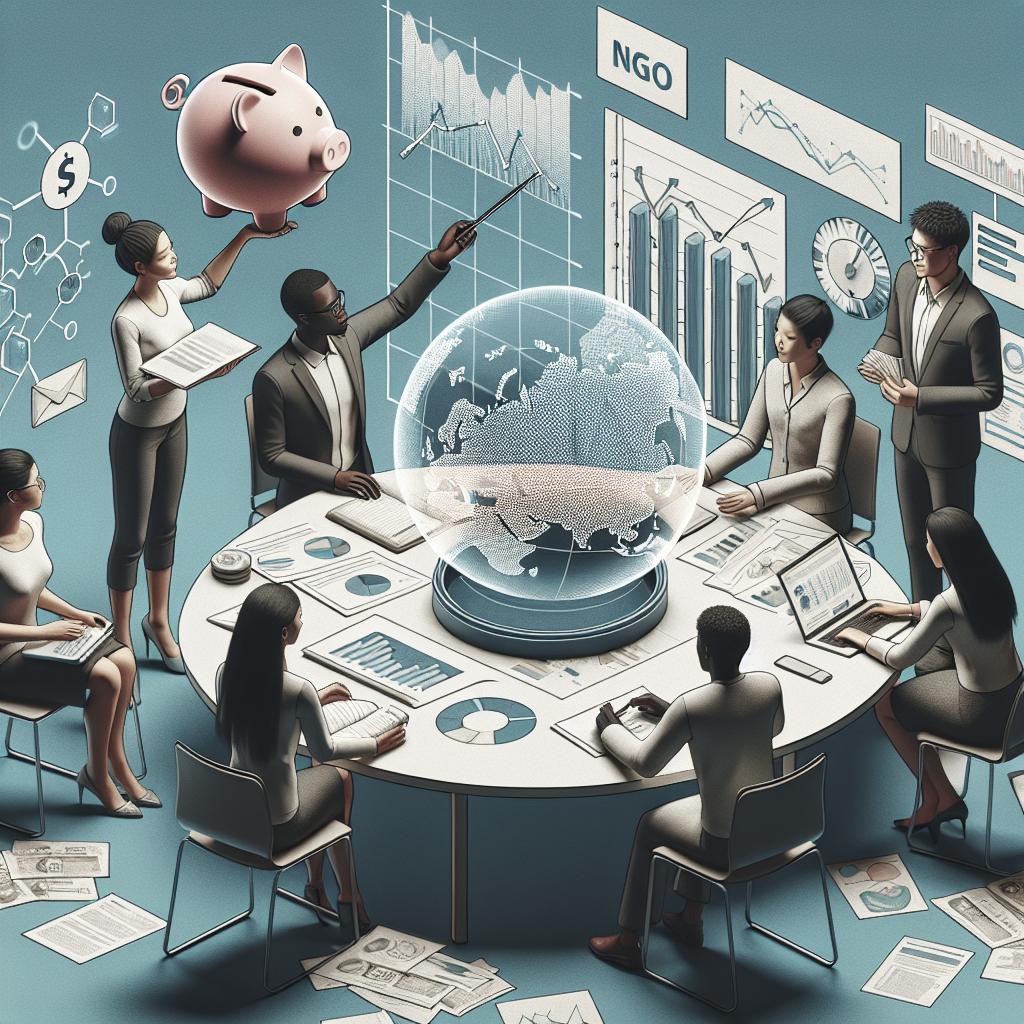
Non-governmental organizations (NGOs) often operate in fast-paced environments where flexibility and innovation are critical. To maintain relevance and effectiveness, cultivating a culture of continuous learning is essential. This culture transcends traditional training, focusing on ongoing education tailored to evolving challenges and opportunities. By aligning leadership, involving managers, valuing soft skills, and leveraging technology, NGOs can empower their teams to learn continually. The significance of continuous learning is crucial for brain function and combating the forgetting curve. This article explores practical strategies like personalized learning plans and microlearning modules to enhance engagement. Finally, we introduce the BenchPrep approach for optimizing learning initiatives.
Moving from Training Culture to Learning Culture
1. Align with leadership.
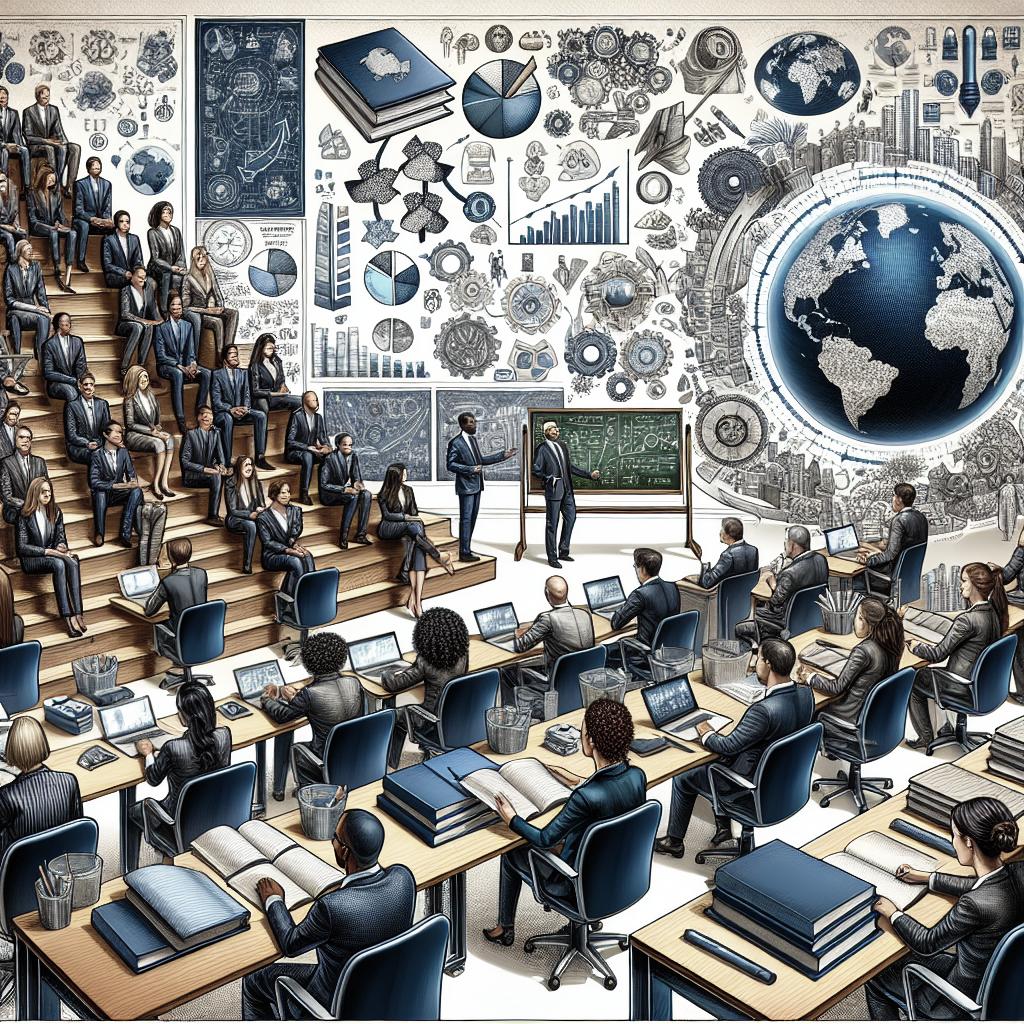
To transform a training culture into a learning culture, leadership alignment is critical. Leaders play a pivotal role in championing learning initiatives by setting the tone and prioritizing skill development. When NGO leaders visibly support and participate in learning activities, it signals to the entire organization that knowledge growth is valued.
Integrating learning into the organizational strategy requires leaders to model continuous learning behaviors. This includes participating in courses, sharing insights from conferences, and encouraging open dialogue about learning experiences. Such involvement not only motivates employees but also embeds learning within the organization’s core values.
2. Encourage manager involvement.
Managers are the linchpins in fostering a learning culture within an NGO. By actively participating in the learning journey of their teams, they can provide tailored support and enhance engagement. Managers can help identify relevant learning opportunities for their team members, aligning them with individual career goals and organizational objectives.
Additionally, managers who regularly discuss learning outcomes with their subordinates contribute to a feedback-rich environment. This practice helps employees reflect on their learning experiences and apply newfound knowledge to real-world scenarios, thereby solidifying the learning culture.
3. Don’t disregard soft skills.
While technical skills are crucial, soft skills like communication, leadership, and adaptability are equally vital in a rapidly changing NGO landscape. Organizations should prioritize developing these competencies alongside technical training, as they play a critical role in personal and professional success.
Fostering a culture that values emotional intelligence, teamwork, and problem-solving can enhance collaboration and drive impact. Incorporating soft skills training into learning programs enables individuals to thrive in diverse work environments and respond creatively to complex challenges.
4. Incorporate technology.
Technology is a catalyst for continuous learning, offering NGOs a plethora of tools to facilitate flexible and accessible educational opportunities. From e-learning platforms to virtual reality simulations, technology can diversify the learning experience and cater to different learning styles.
Embracing digital learning solutions also addresses geographical and logistical barriers, allowing NGOs to connect global teams effortlessly. Technology can enable remote learning, providing resources like webinars, online courses, and collaborative platforms that support a sustainable learning culture.
Why Continuous Learning Is Essential To A Learning Culture
How Does Continuous Learning Work?
Continuous learning involves an ongoing, voluntary pursuit of knowledge that empowers individuals to adapt to change, solve problems, and generate new ideas. This form of learning is self-directed, with participants seeking resources that address evolving needs and interests, enabling personal and professional growth.
For NGOs, continuous learning equips staff with up-to-date knowledge and skills necessary to tackle dynamic challenges. It shifts the focus from one-time training sessions to a proactive and engaging learning process that becomes part of daily work life.
Why Continuous Learning Works With Your Brain
The human brain is wired for continuous learning, constantly seeking new stimuli and experiences. Engaging in lifelong learning keeps the brain active, fostering neuroplasticity—the brain’s ability to reorganize itself by forming new neural connections throughout life.
NGOs that adopt continuous learning help employees maintain cognitive flexibility, improve memory, and enhance creativity. The process of regular learning exercises the brain, promoting mental well-being and enabling individuals to adapt to ever-changing environments.
Why Is The Forgetting Curve Important?
The forgetting curve, introduced by Hermann Ebbinghaus, illustrates how quickly we forget information unless we actively retain it. Without reinforcement, newly acquired knowledge can dissipate within days or weeks, undermining learning efforts.
To counteract this effect, NGOs should implement continuous learning strategies that include spaced repetition and regular practice. By reinforcing learning over time, organizations can significantly improve knowledge retention and overall effectiveness of learning initiatives.
5 Tips to Improve Learner Engagement with Continuous Learning
1. Personalized Learning Plans
Personalized learning plans tailored to individual goals and preferences can significantly boost engagement. By allowing learners to have a say in their educational paths, NGOs can foster a sense of ownership and motivation.
This customization ensures that learning is relevant and applicable, helping individuals achieve specific career objectives while contributing to the organization’s mission. Personalized plans also accommodate diverse learning preferences, enhancing the overall learning experience.
2. Adaptive Learning
Adaptive learning technologies provide a tailored educational experience by adjusting content based on individual performance and pace. For NGOs, this approach ensures that learners receive content that meets their current knowledge level, maximizing efficiency and engagement.
By utilizing data-driven insights, adaptive systems can identify learning gaps and offer targeted support, enabling employees to focus on areas that require further development. This dynamic learning process enhances both learner satisfaction and outcomes.
3. Microlearning Modules
Microlearning modules offer bite-sized educational content that learners can easily digest and apply. These short, focused segments are ideal for busy NGO employees who may have limited time for lengthy courses.
By breaking down complex topics into manageable units, microlearning enhances retention and understanding. This approach aligns with the natural learning rhythm, enabling individuals to fit learning into their daily routines seamlessly.
4. Progress Tracking
Tracking progress not only keeps learners accountable but also provides a sense of accomplishment. NGOs can use digital platforms to monitor learning milestones and offer feedback, keeping employees engaged and motivated.
Progress tracking tools can highlight strengths and areas for improvement, guiding learners in their continuous development journey. This transparency promotes self-assessment and goal setting, reinforcing a proactive learning culture.
5. Push Notifications
Leveraging push notifications as reminders for upcoming learning activities can keep learners engaged and informed. These prompts encourage participation and ensure that learning remains a priority amidst daily tasks.
For NGOs with distributed teams, push notifications can serve as timely nudges that reinforce learning objectives and foster community engagement. By integrating these reminders into digital learning platforms, organizations can maintain continuous learning momentum.
The BenchPrep Approach
Share On
The BenchPrep approach combines innovative learning methodologies with cutting-edge technology to enhance learning experiences for NGOs. By offering customizable learning paths, adaptive tools, and real-time analytics, BenchPrep empowers organizations to deliver engaging and effective educational content.
Through BenchPrep, NGOs can create a culture of continuous learning that meets the unique needs of their workforce, bridging skill gaps and driving mission success. This approach reinforces the importance of lifelong learning and equips employees with the tools they need to thrive.
Related Blog Posts
Explore our other blog posts for more insights on fostering a learning culture and leveraging technology in education.
- “Innovative E-Learning Solutions for Today’s Workforce”
- “Building a Resilient NGO Through Continuous Learning”
- “Effective Strategies for Remote Team Learning”
More From Forbes
Check out Forbes for the latest trends and insights on education, technology, and continuous learning.
- “The Future of Work: Lifelong Learning for Success”
- “Leveraging AI in Education to Drive Performance”
- “Why Soft Skills are Essential in the Modern Workplace”
Summary of Main Points
| Section | Main Points |
|---|---|
| Moving from Training Culture to Learning Culture | Importance of leadership alignment, manager involvement, soft skills, and technology. |
| Why Continuous Learning Is Essential | Emphasizes the need for continuous learning for brain function and retention. |
| 5 Tips to Improve Learner Engagement | Uses personalized plans, adaptive learning, microlearning, progress tracking, and notifications. |
| The BenchPrep Approach | BenchPrep’s methodologies and technology facilitate effective learning cultures. |
“`