“`html
Keys to Successful NGO Event Planning
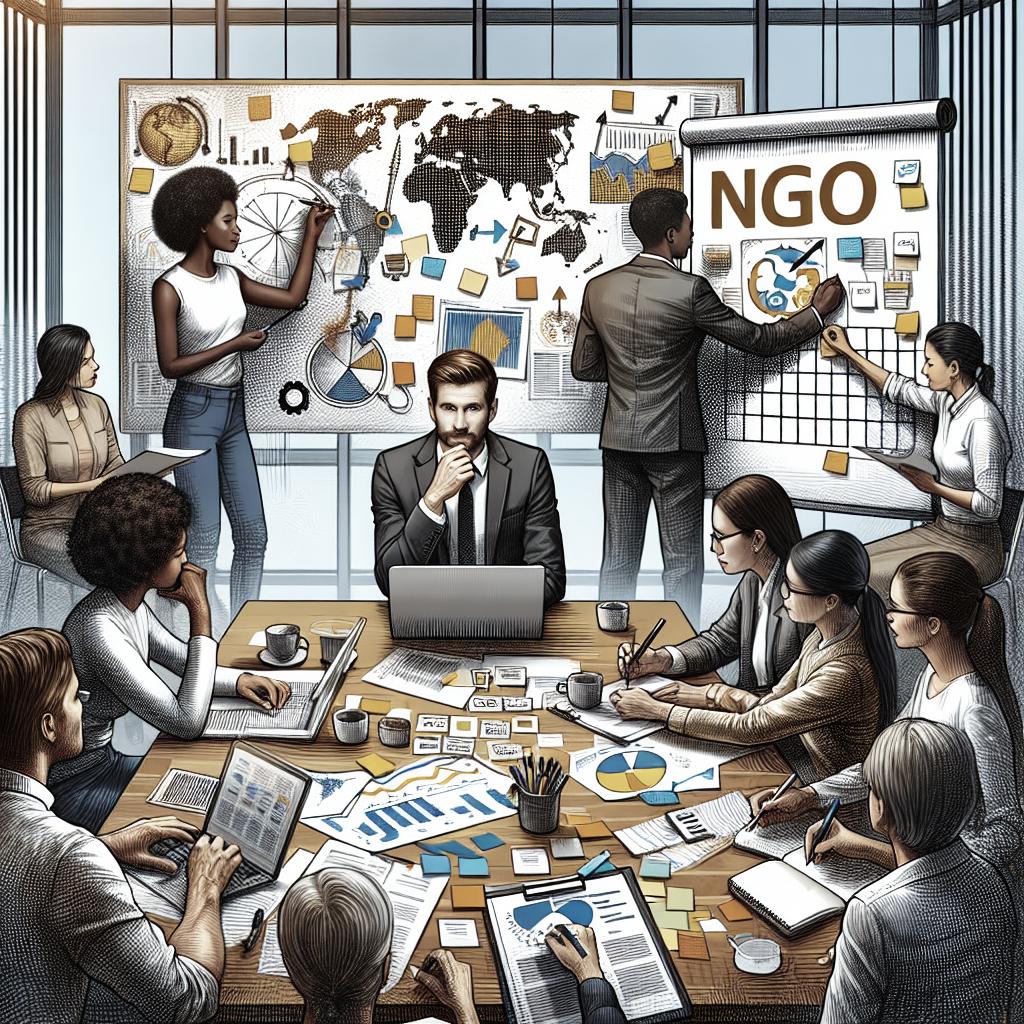
Planning an event for a nonprofit organization is a multifaceted task that requires attention to detail, strategic thinking, and collaborative partnerships. By focusing on clearly defining your event’s objectives, conducting thorough research, developing a robust event brand, and managing your budget meticulously, you set a solid foundation for success. Engaging with sponsors and effective marketing are key in amplifying the reach of your event. Moreover, learning from past experiences ensures continuous improvement. This blog post delves into each of these aspects, providing a comprehensive guide to creating impactful nonprofit events. So, gear up to make 2024 the year of insightful and engaging public event planning with these proven strategies.
Planning the Perfect Nonprofit Event
Nonprofit events are essential not just for fundraising but also for awareness building and community engagement. They provide a platform wherein nonprofits can showcase their work, gather like-minded individuals, and drive change on a larger scale. Thus, perfect planning is crucial to achieving these goals, making the event not just effective but memorable.
The backbone of a successful nonprofit event is a seamless integration of purpose, creativity, and logistical expertise. By delving into the various stages of planning, from the initial idea to the post-event evaluation, organizations can ensure that their endeavors resonate well with their audience. This process includes setting realistic objectives, drafting a clear plan, and utilizing resources efficiently to optimize outcomes.
#1: Define Your Public and Nonprofit Event Objectives
The first step in planning any successful event is defining its objectives. Are you aiming to raise funds, increase awareness, or recruit volunteers? Clarifying what you hope to accomplish not only guides your planning process but also helps in communicating your goals to your team and stakeholders.
Objectives should be specific, measurable, achievable, relevant, and time-bound (SMART). Whether it’s gathering a certain number of new donor pledges or fostering community participation, clear objectives allow you to track success and adjust plans as necessary. This clarity helps to engage your audience more effectively, ensuring that every aspect of the event aligns with its intended goals.
#2: Conduct Thorough Research Into Public Event Planning
Research is integral to the planning process. Begin by understanding the logistics of your event: the ideal venues, feasible dates, potential speakers, and any mandatory permits and licenses. Examine past events, both your own and those of other organizations, to gather insights and avoid common pitfalls.
Consider audience demographics, preferences, and trends in the nonprofit sector. Engaging in dialogues with other NGOs can provide fresh perspectives and innovative ideas. This research not only enriches your planning process but also arms you with data and context to make informed decisions at every step.
#3: Develop a Strong Event Brand
Your event’s brand is crucial—it speaks to the audience’s perception and engagement level. Start by developing a theme that resonates with your objectives and audience. Consistency across all promotional materials, signage, and messages is vital in creating a cohesive event identity.
A strong brand helps distinguish your event from others and adds a layer of professionalism and trustworthiness. Moreover, it creates an emotional connection with participants, inspiring them to not only attend but actively share their experiences, thus broadening the event’s impact.
#4: Create a Detailed Event Budget For Your Event Management Needs
A comprehensive budget is indispensable for effective event planning. Begin by listing every possible expense, from venue hire to promotional materials. Consider contingencies and ensure a buffer for unexpected costs to avoid surprises later.
Regularly review and adjust the budget as needed to ensure alignment with financial goals. Transparency in financial planning fosters trust and accountability with stakeholders, including sponsors and partnering organizations, ensuring the financial sustainability of your event.
#5: Engage with Sponsors and Partners For Your Public Event
Engaging the right sponsors and partners can elevate an event to new heights. Identify and approach organizations and individuals whose values align with your nonprofit’s mission. Highlight the mutual benefits of collaboration and build long-term relationships.
Consider creative sponsorship packages that offer exposure and value to sponsors. Develop meaningful engagement strategies with partners, ensuring they are equally invested in the success of the event to maximize impact and reach.
#6: Execute Effective Event Marketing For Your Nonprofit Event
Marketing is the lifeline of any event. Reach out to your target audience through multiple channels, including social media, email campaigns, and traditional media. Craft engaging content that aligns with your event’s theme and objectives and increases interest and anticipation.
Utilize metrics to gauge the effectiveness of your marketing strategies and adjust as needed to optimize reach and engagement. An effective marketing campaign ensures that your message is heard by the right people, at the right time, boosting attendance and overall event success.
#7: Learn from Past Public and Nonprofit Events – Evaluate The Data
To continuously improve, it’s crucial to reflect on past events. Collect and analyze data such as attendance numbers, feedback surveys, and financial reports. This insight highlights what worked, what didn’t, and where improvements can be made.
Sharing these evaluations with your team can foster a culture of learning and innovation. By understanding trends and audience behavior, you can make data-driven decisions that enhance future events, ensuring each is progressively better than the last.
The Quick Takeaways Of Top Strategies for Planning a Successful Nonprofit Event Are:
To successfully plan a nonprofit event, start by defining clear objectives that guide your planning. Thorough research provides insight and prevents costly mistakes, while a strong brand identity boosts audience connection and retention. Maintaining detailed budgeting and cultivating sponsor relationships are financial cornerstones. Finally, data evaluation ensures continual growth and effectiveness improvement.
Each step in the process builds upon the last, creating a well-rounded strategy that leads to an impactful and unforgettable event. By implementing these strategies, nonprofits can maximize both their reach and their cause, creating events that not only achieve their goals but also inspire lasting change.
2024 is the Year of Public Event Planning
With 2023 behind us, 2024 presents an exciting opportunity for nonprofit organizations to refine and excel in event planning. The landscape is ripe for creative, impactful events that leverage technology and new partnerships. Embracing innovative ideas and diverse strategies can propel nonprofits toward greater success and influence.
The growing emphasis on community-centric events and digital engagement allows for broader outreach and participation. This year is set to be a landmark for nonprofits that adapt and thrive amid evolving event dynamics, marking 2024 as the year of progress and transformation in public event planning.
| Strategy | Key Focus |
|---|---|
| Define Objectives | Set clear goals to guide planning and align efforts. |
| Conduct Research | Gather insights and understand logistics and trends. |
| Develop Event Brand | Create a strong, cohesive theme and identity. |
| Create Event Budget | Detail expenses and plan for contingencies. |
| Engage Sponsors and Partners | Build relationships that enhance event reach and value. |
| Execute Marketing | Promote through various channels for maximum impact. |
| Evaluate Data | Learn from past events to improve future planning. |
“`